Motorized Shades & Blinds in NYC: The Complete 2026 Guide
Table of Contents:
- How does a motorized shade work?
- What are the benefits of motorized window blinds?
- Which motorized blinds are actually worth the money?
- How long do motorized blinds last?
- When and where do motorized shades make the most sense?
- Should you choose battery-powered, plug-in, or hardwired motorized shades?
- Is it worth having motorized blinds professionally installed?
- How do reviews help you choose a motorized blinds installer?
- Are motorized blinds worth it?
- Who should you call for motorized shades and blinds in NYC?
Motorized shades are no longer just a smart-home extra. For many New York spaces, they have become part of how a room is designed, used, and controlled throughout the day. The right setup can make large windows easier to manage, keep light levels more consistent, and give the room a cleaner, more finished look.
But not every motorized system works the same way. Fabric, power source, controls, motor type, installation, and programming all affect the final result. A shade can be automated and still feel wrong if it is not planned around the window and the way the space is used.
This guide from Glamour Decorating explains what to know before choosing motorized shades or blinds in NYC, from product types and power options to Somfy systems, installation, lifespan, and long-term performance. Keep reading to learn more!
How does a motorized shade work?
A motorized shade uses a small built-in motor to raise, lower, tilt, open, or close the window treatment. The exact movement depends on the style. A roller shade moves up and down. A motorized blind may tilt its slats. Motorized drapes open and close along a track.
For NYC apartments, townhomes, offices, and commercial spaces, Glamour Decorating helps match the motorized system to the window treatment, the opening, and the way the room needs to function.
The motor does the movement for you
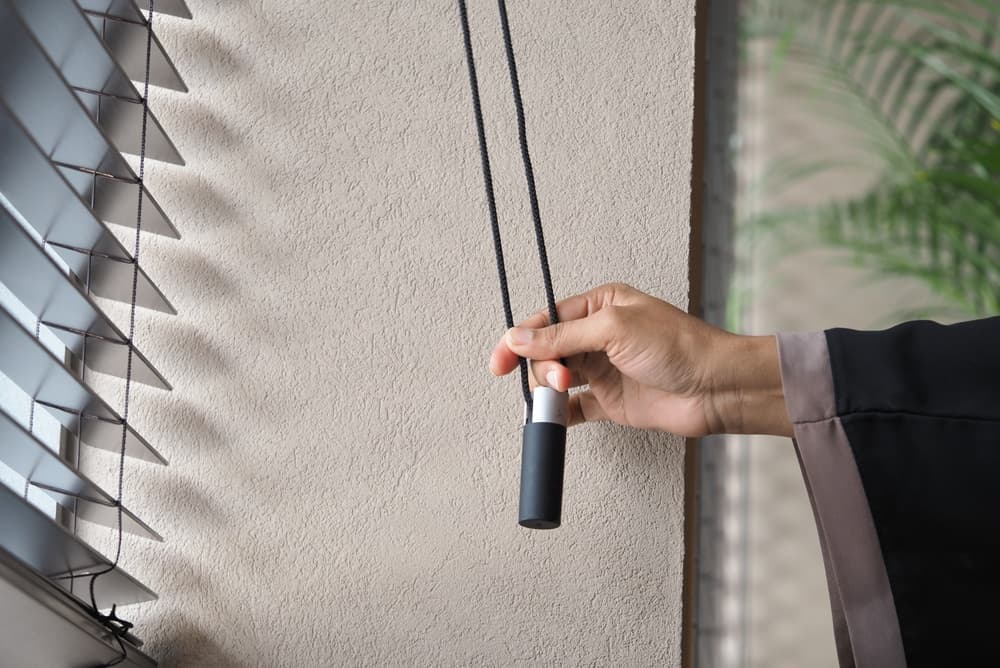
Instead of pulling a cord or chain, you use a control device to move the treatment. The motor is usually hidden inside the shade tube, track, or headrail, so the finished look stays clean. When the shade is installed correctly, the movement should feel smooth and aligned, not jerky or uneven.
This is especially useful for large windows, tall windows, wide openings, and rooms with multiple treatments. Rather than walking around the room adjusting each window by hand, you can control one shade, a group of shades, or an entire room at once.
Controls can be simple or fully automated
Motorized shades can be controlled in several ways, depending on the system and project:
- Handheld remote
- Wall switch
- Smartphone app
- Timer or schedule
- Smart-home scenes
- Voice control, when compatible
- Group controls for multiple windows
For example, bedroom blackout shades can close automatically at night and open in the morning. Living room solar shades can be lowered during the brightest part of the day. Office shades can be grouped by exposure, so one side of the room can be adjusted without changing every window.
Power source affects the installation
Motorized shades usually use one of three power approaches: rechargeable battery, plug-in power, or hardwiring. The right choice depends on the space, window layout, building rules, renovation plans, and how hidden you want the system to look.
Battery-powered shades are often useful for finished apartments because they avoid opening walls. Hardwired shades are common in renovations, luxury builds, and commercial spaces where wiring can be planned in advance. Plug-in systems may work when an outlet is nearby, and the cord can be managed cleanly.
What are the benefits of motorized window blinds?
Motorized blinds and shades are not just about convenience. They solve everyday problems that come up often in New York homes: privacy, glare, heat, difficult windows, and rooms that need different lighting at different times of day.
Easier daily light control
In many apartments, light changes dramatically throughout the day. A room that feels perfect in the morning may become too bright in the afternoon. A home office may have screen glare for a few hours. A living room may need softer light when the sun reflects off nearby buildings.
Motorized shades make those adjustments easier. You can lower the shades during peak glare, open them when you want more daylight, or set schedules so the room adapts without constant attention.
Better privacy in city spaces
Privacy works differently in New York. A window may face the street, another apartment, a courtyard, or an office building across the way. During the day, you may want filtered light. At night, you may want more coverage.
Motorized shades make privacy easier to manage because you can adjust the treatments quickly, even if the windows are tall, blocked by furniture, or spread across a large room. For bedrooms, bathrooms, street-facing living rooms, and high-rise apartments, this daily control option can make the space feel more comfortable.
A cleaner look without visible cords
Motorized shades remove the need for dangling pull cords or chains. That can make a room look cleaner, especially in modern interiors with large glass, minimal trim, or custom millwork.
This cleaner look also matters in homes where every detail is visible. In a Manhattan apartment with floor-to-ceiling windows or a Brooklyn townhouse with carefully chosen millwork, cords can interrupt the design. Motorization helps the treatment feel more integrated with the room.
Smarter comfort and energy use
Window treatments can help soften sunlight, reduce glare, and make rooms more comfortable during different parts of the day. If energy performance is part of the larger home plan, New York homeowners can also review NYSERDA’s home energy resources for broader guidance on comfort and energy use.
Motorization makes daily control easier because the shades can be scheduled around the room’s exposure. Solar shades can lower during strong afternoon sun, while blackout shades can close before bedtime. The result is not a replacement for efficient windows or HVAC, but it can support a more controlled interior.
More control in bedrooms, media rooms, and offices
Some rooms need more precision than others. In a bedroom, blackout shades can support better sleep. The NIH has also discussed how nighttime light exposure can affect rest, which makes blackout planning especially relevant for city bedrooms exposed to streetlights, neighboring buildings, or early morning sun.
In a media room, motorized shades can reduce glare before a movie. In a home office, they can help manage screen visibility during video calls. Glamour Decorating helps tie those details together, from fabric opacity and mount style to motor type and control setup.
Which motorized blinds are actually worth the money?
The best motorized shade depends on the room, window size, design style, privacy needs, and light-control goals. A luxury apartment with floor-to-ceiling glass may need a different solution than a brownstone bedroom or a commercial conference room.
Motorized roller shades
Motorized roller shades are one of the most popular choices for NYC apartments because they are clean, modern, and easy to customize. They work well in living rooms, bedrooms, offices, and open-plan spaces.
Solar roller shades can reduce glare while preserving some view. Light-filtering fabrics soften the room without making it dark. Blackout roller shades are useful when privacy and room-darkening are the priority.
Motorized blackout shades
Blackout shades are ideal for bedrooms, nurseries, media rooms, and anyone who wants stronger light control. In New York, they are especially useful for apartments exposed to streetlights, building lights, early sunrise, or late-night city glow.
The key is fit. A blackout fabric can still allow light gaps if the shade is not measured or mounted properly. Side channels, careful mounting, and fabric selection may be worth discussing if the goal is serious room-darkening.
Motorized Roman shades
Motorized Roman shades are a good fit when you want automation but do not want a strictly minimal look. They add softness, texture, and a more tailored design feel. They can work well in bedrooms, dining rooms, sitting rooms, and traditional interiors. Because Roman shades involve fabric folds, the material choice and fabrication quality matter.
Motorized drapes
Motorized drapes are ideal for wide openings, tall windows, luxury interiors, and rooms where fabric movement is part of the design. They can also be layered over shades for more control.
For example, a room may use solar shades during the day and drapes in the evening. That kind of layered treatment can add privacy, texture, and a more finished look. If you’re working on a high-end room, luxury window treatment design choices can make a big difference in how polished the final space feels.
Somfy-powered motorized shades
Somfy is one of the most recognized names in motorized shading systems. A Somfy-powered setup can support smooth operation, remote control, scheduling, and smart-home integration depending on the selected products and controls.
Glamour Decorating, for example, works with Somfy-powered motorized blinds and shades, which makes them a strong choice for homeowners, designers, and commercial clients who want a professional motorized system rather than a basic off-the-shelf solution.
How long do motorized blinds last?
The lifespan of motorized blinds comes down to how the system is built and how often it runs. A bedroom shade that opens every morning and closes every night will age differently from a guest room shade that barely moves. Motor quality, fabric weight, power source, controls, window size, and installation all affect long-term performance.
Warranty length gives you a starting point
Warranty coverage is not the same as total lifespan, but it does show what major manufacturers are willing to stand behind. Somfy offers a 5-year warranty on motors and controls, Hunter Douglas covers PowerView motorized components under a 5-year limited warranty, and Lutron’s shading warranty covers many systems and electronic drive units for 8 years.
That does not mean the motor stops working when the warranty ends. It means homeowners should pay attention to the motor brand, warranty terms, service support, and installer before choosing a system.
Daily use affects wear
Every time a treatment opens or closes, the motor, fabric, brackets, and lift system are doing work. A large blackout shade used every morning and night should be planned differently from a small shade in a low-use room.
A professional installer should be able to explain whether the selected motor makes sense for the size, weight, and style of the shade. If the motor is underpowered, the treatment may strain, move unevenly, or become louder over time.
Batteries are usually the first maintenance item
For battery-powered systems, the motor may last for years, but the battery will need attention sooner. Hunter Douglas says PowerView battery life exceeds one year, depending on shade size, configuration, and use. Homeowners with several shades may also find that charging becomes part of the routine.
This is why charging access matters. A rechargeable shade on a standard window is one thing. A rechargeable shade above a stairwell, behind furniture, or on a tall wall of glass is another. If the window is difficult to reach, battery access should be discussed before the shade is ordered.
Fabric and hardware affect long-term performance
The motor is only one part of the system. Fabric can fade, stretch, or wear depending on sunlight exposure, room conditions, and how often the shade moves. Brackets, tracks, lift components, and alignment also affect how smoothly the treatment operates.
A shade that moves cleanly is under less strain than one that rubs, drags, or sits unevenly. If the treatment starts making unusual noise, stopping at the wrong point, or moving unevenly, it is worth having it checked before the issue gets worse.
Better planning usually means fewer problems later
A long-lasting setup starts before installation. The motor should match the treatment, the power source should make sense for the window, and the controls should be set up for how the room is actually used.
A full-service provider like Glamour Decorating can help plan the shade, motor, fabric, power source, controls, and installation together. That kind of planning gives the finished treatment a better chance of operating smoothly over time.
When and where do motorized shades make the most sense?
Motorized shades are useful anywhere, but New York creates some situations where they become especially practical.
Floor-to-ceiling windows
Many newer apartments and luxury buildings have large glass walls or tall windows. These windows look beautiful, but they can be difficult to manage manually. A row of tall shades can be awkward to adjust one by one, especially if furniture is in the way. Motorization makes large openings easier to live with. Shades can move together, stop at the same height, and stay visually aligned across the room.
Street-facing privacy
In a city apartment, privacy can change by the hour. A living room may feel open and bright during the day, but exposed at night. A bedroom may need a different level of coverage than a kitchen or study.
Motorized shades make it easier to shift between openness and privacy without constantly adjusting each window by hand. This is especially helpful in Manhattan, Brooklyn, Long Island City, and other dense neighborhoods where buildings often face each other closely.
Glare from nearby buildings
Glare is not only about direct sunlight. Reflected light from glass buildings, light-colored facades, and surrounding structures can make a room uncomfortable even when the sun is not directly in the window.
Solar shades can help soften that glare while preserving some view. Blackout or room-darkening products may be better for rooms that need stronger control.
Hard-to-reach windows
High windows, windows behind furniture, bay windows, stairwell windows, and double-height spaces are all good candidates for motorization. If a shade is difficult to reach, it often goes unused. Motorization turns it into something you can control every day.
Should you choose battery-powered, plug-in, or hardwired motorized shades?
The power source is one of the most important decisions in a motorized shade project. It affects cost, appearance, installation, charging, and long-term convenience.
Battery-powered shades
Battery-powered shades are often a good fit for existing apartments because they do not require new wiring inside the walls. Many systems use rechargeable batteries, making them useful for finished spaces where a cleaner installation is still important.
They work especially well when the windows are accessible enough for occasional charging or service. For very tall or hard-to-reach windows, charging access should be discussed before choosing the system.
Plug-in shades
Plug-in shades can work when there is an outlet near the window and the power cord can be routed neatly. They may be practical in offices, commercial spaces, or rooms where the outlet placement makes sense. The main concern is appearance. If the cord is visible or awkward, the finished result may not feel as polished.
Hardwired shades
Hardwired motorized shades are often the cleanest choice for renovations, new construction, luxury residences, and commercial projects. The wiring is planned in advance, so the system can be integrated more discreetly.
Hardwiring can also be useful for multiple shades, large rooms, or projects where the client wants a more permanent smart-home setup. It usually requires more planning, but the final result can be very seamless.
What works best in apartments, renovations, and commercial spaces
For an existing apartment, battery-powered shades may be the most practical. For a gut renovation or new build, hardwired shades may be worth planning early. For offices, restaurants, religious spaces, or commercial interiors, the right answer depends on daily use, access, controls, and building requirements.
For larger commercial or renovation projects, NYC’s energy code compliance may also be relevant when energy-related building requirements are part of the project.
Is it worth having motorized blinds professionally installed?
Yes, especially when the window treatments are custom or automated. A motorized shade has to do more than cover the window. It needs to fit cleanly, move smoothly, stop at the right points, connect to the controls, and work with the way the room is actually used. A professional installer helps make sure those details are handled before the product is ever mounted.
Small measurement issues can affect the whole result
Windows are not always even, especially in older New York buildings. One side may be slightly taller, the frame may be shallow, or a handle, radiator, AC unit, trim detail, or nearby furniture piece may affect how the treatment fits.
Custom shades are made to the measurements provided, so small mistakes can follow the project all the way through fabrication and installation. The final treatment may leave uneven gaps, sit crooked, rub against the frame, or fail to clear something around the window.
Motor planning is part of the job
With automated treatments, the motor has to match the size, weight, and style of the shade. A large blackout shade, a Roman shade, and a motorized drapery track do not all need the same setup.
A professional installer should think through:
- Whether the motor is strong enough for the treatment
- Whether the shade can move without rubbing or dragging
- Where the power source will be located
- How charging or access will work over time
- Whether multiple shades should move together or separately
- How the remote, app, switch, or smart-home controls should be set up
Those choices shape how the system feels in daily use. If they are not planned correctly, the shade may technically work, but still feel frustrating.
Fabric looks different once it is on the window
A small fabric sample can only tell you so much. The same material can look different once it is installed against real daylight, nearby buildings, wall colors, and the view outside.
Solar, light-filtering, blackout, room-darkening, sheer, and decorative fabrics all handle light differently. Some protect privacy but soften the view. Some reduce glare without darkening the room too much. Others are better when the goal is stronger blackout performance.
This is where comparing custom shade and blind companies can be useful. The better providers will explain what the material is likely to do in the actual room, not just how it looks in a sample book.
Controls should be set up before the installer leaves
The controls are a big part of what makes the system feel finished. A bedroom may need a simple schedule. A living room may need several shades grouped together. A home office may need glare control during certain hours. A commercial space may need controls that multiple people can understand quickly.
Professional installation should include testing the movement, setting the upper and lower limits, pairing the controls, checking grouped shades, and walking the client through how everything works.
A professional process helps avoid rework
The best installations feel smooth because the measuring, fabrication, motor planning, installation, programming, and walkthrough are treated as one connected process. That reduces the risk of mismatched parts, awkward power access, crooked shades, unclear controls, or light gaps that could have been avoided earlier.
Trusted companies like Glamour Decorating typically keep those steps connected, which helps the shade, motor, fabric, controls, and installation work together instead of feeling like separate pieces.
How do reviews help you choose a motorized blinds installer?
Motorized shades are more technical than standard window treatments, so reviews should tell you more than just whether the fabric looks nice. Look for signs that the company understands installation, programming, service, and the way people actually use the shades after the project is finished.
Installation-specific feedback
Useful reviews often mention the crew’s punctuality, cleanliness, care inside the home, and attention to detail. For NYC apartments, this matters. Installers may need to work around elevators, building rules, narrow hallways, expensive furniture, and finished interiors.
Motorization knowledge
For motorized shades, the installer should understand more than fabric and brackets. Reviews that mention smooth operation, quiet movement, proper setup, helpful programming, or motor troubleshooting are especially valuable.
Follow-up and service
Motorized treatments may need adjustments, programming help, or occasional troubleshooting. Look for reviews that mention how the company responds after installation.
Are motorized blinds worth it?
Motorized shades are worth it when they solve real daily problems. They are especially valuable when the windows are large, difficult to reach, exposed to strong light, or used often throughout the day.
When motorized shades make the most sense
Motorized shades are usually worth considering for:
- Floor-to-ceiling windows
- Bedrooms with blackout needs
- Living rooms with strong glare
- Home offices
- Media rooms
- Nurseries and children’s rooms
- Large window walls
- Luxury apartments
- Commercial spaces
- Rooms where privacy changes throughout the day
They are also a strong choice when you want a cleaner look without visible cords or when you want shades to work with smart-home routines.
When manual blinds may still make sense
Manual blinds can still be a good choice for small windows, secondary rooms, simple rental situations, or spaces where the treatment is easy to reach and not adjusted often.
Manual does not have to mean basic. Custom manual shades, blinds, and drapes can still look beautiful, especially when the fabric, size, and mounting details are handled well. If you’re still deciding between automation and a simpler setup, it helps to see how manual and motorized blinds compare in a real apartment setting.
When a mixed setup works best
Not every room needs the same solution. Some homeowners choose motorized blackout shades in the bedroom, solar shades in the living room, and manual treatments in lower-use rooms. Others pair motorized roller shades with custom drapes for a more layered look. A mixed setup can be especially effective when layering shades with custom drapes for privacy, softness, and design depth.
Who should you call for motorized shades and blinds in NYC?
At Glamour Decorating Blinds & Shades of NYC, we start with the room, not just the product. The fabric has to handle the light properly, the fit has to look clean, the motor has to suit the treatment, and the controls have to make sense once everything is installed.
With over 30 years of experience and a custom manufacturing facility in Brooklyn, we bring the process together from consultation and measuring to fabrication and professional installation. Our team works with homeowners, designers, businesses, and religious institutions on custom shades, blinds, and drapes built around the way each space is actually used.
Whether you are updating an apartment near Central Park, designing a home in Brooklyn, or planning a commercial space in Long Island City, we can help you create motorized window treatments that balance privacy, light control, and design. Tell us what you need from your windows, and we’ll help you create a treatment that fits the room beautifully.