When it comes to window coverings, vertical window blinds in NYC remain one of the most practical and sophisticated options for both commercial and residential settings. Besides offering control over light, privacy, and temperature, when paired with the overall look of your room or office, they really tie the space together.
Among many materials on offer, two stand out for their versatility and refined look— wooden and faux wood alternatives. Both have their unique appeal and performance characteristics. In today’s article, we try to help you understand these differences and their maintenance needs to help you make the best choice for your home, store, or office. Let’s take a look at the pros and cons of each.
Are faux wood or real wood vertical blinds better?
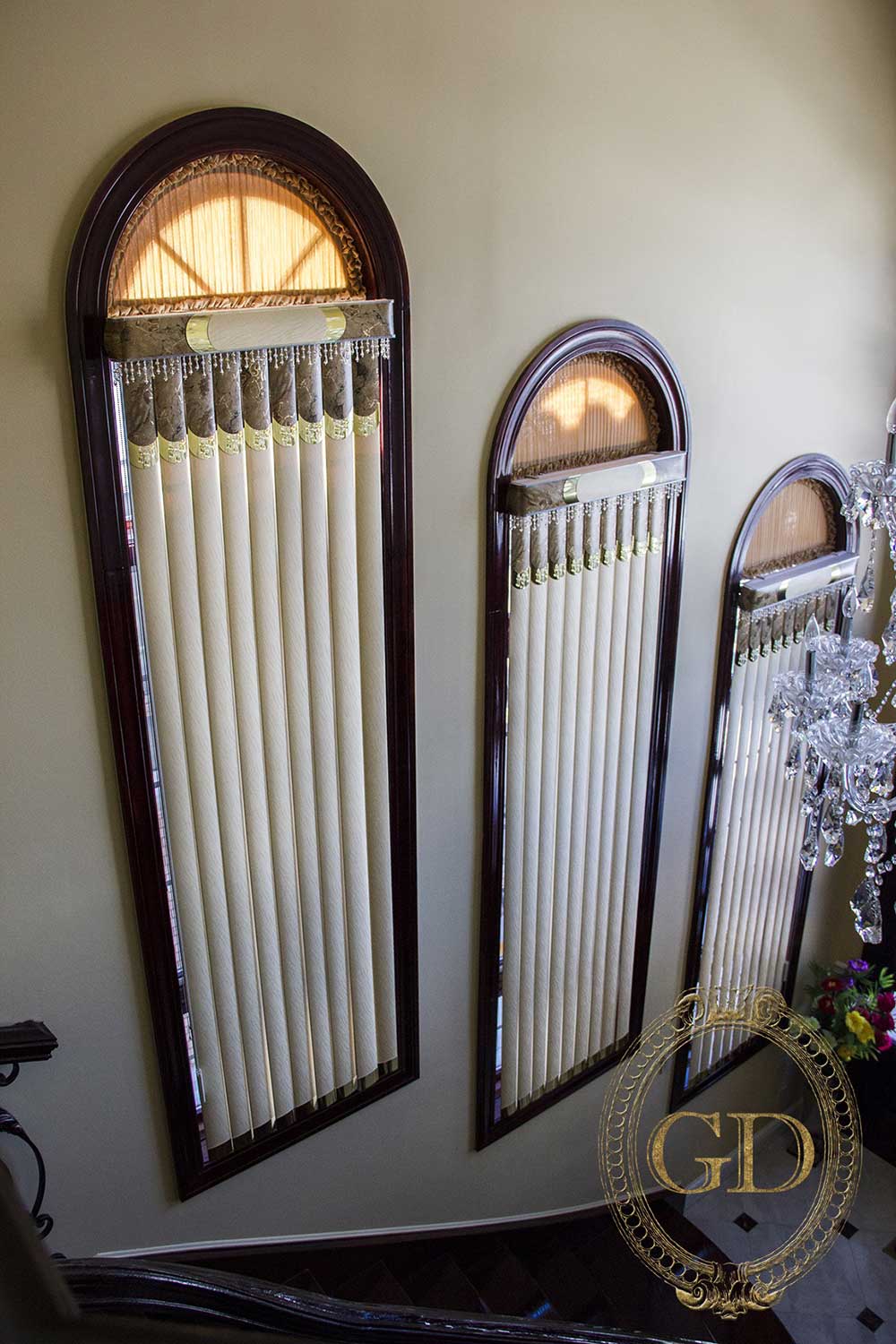 If your home or commercial establishment has large windows or sliding glass doors leading to the balcony or patio, vertical blinds are the best solution for your interiors. Traditional horizontal blinds are less practical for large glass surfaces because they tilt up and down.
On the other hand, vertical blinds use long panels that hang from a track and slide side to side, making them a more convenient option for light control. Because their panels rotate to different angles, vertical blinds allow you to fine-tune privacy during the day and maximize daylighting, which can prove crucial during the long working hours in office buildings.
They also look streamlined and modern in commercial settings and living rooms compared to some other window coverings. Ok, we’ve established that vertical blinds are a superior option, but what about the materials?
Faux wood vertical blinds: durable & moisture-resistant
Faux wood vertical blinds are usually made from composite materials like PVC, vinyl, or polymer blends. They are designed to mimic the natural texture and the grain of real wood. The result is an elegant, cozy appearance that has a timeless feel to it and performs exceptionally well in humid and high-traffic areas.
Because of their moisture-resistant properties, faux wood vertical blinds are perfect for bathrooms, kitchens, balconies, and commercial spaces. Unlike natural wood, they don’t warp, crack, or fade when exposed to steam, heat, or direct sunlight. Their structure gives them remarkable resilience, making them a smart investment for long-term use.
When it comes to maintenance, they are easy to clean with basic cleaning products found in most households. Their smooth, non-porous finish resists dust and grime buildup, requiring minimal effort to keep them looking new.
Looking at the downsides of faux wood vertical blinds, there aren’t many to outline. One thing to note is that faux wood models tend to be heavier than real wood blinds, so keep this in mind when deciding on the best choice for your setup. Another downside, if we can call it that, is that faux wood blinds generally offer fewer color options compared to real wood models. You’ll be able to choose from white, cream, and a couple of wood-grain imitations, but you won’t find bold color choices to play with.
Wooden vertical blinds: timeless beauty & natural warmth
Simply put, nothing matches the authentic charm and feel of natural wood. Read wood vertical blinds bring refined craftsmanship and instant warmth to any interior. Wooden vertical blinds elevate both modern and traditional spaces with their sophistication and cozy feel. Typically made from premium hardwoods like oak, they are prized for their lightweight strength and subtle grain patterns.
Besides unmatched elegance, their biggest advantage lies in their aesthetic versatility. You can really express your inner sense of style and play with a wide range of tones and finishes. From pale birch to deep walnut, and every hue in between, they can blend seamlessly with your flooring, custom cabinetry, and furniture. Organic materials like wood instantly enrich a space, adding class and texture that faux wood can only strive to imitate.
Another perk of wooden vertical blinds is that they are deceptively lightweight, making them easy to operate. This is especially important if your office, store, or home has large windows. Wooden vertical blinds act as natural insulators, helping you maintain indoor comfort by minimizing heat gain in the summer and retaining warmth during the colder part of the year.
If there is one con of wooden vertical blinds, it’s their sensitivity to humidity and sudden temperature changes. If exposed to humidity for a protracted period, they will start to warp or lose their original tone. This means they are not ideal for bathrooms, kitchens, basements, and damp environments where humidity and temperature levels fluctuate.
Who offers the best choice of high-quality vertical window blinds in NYC?
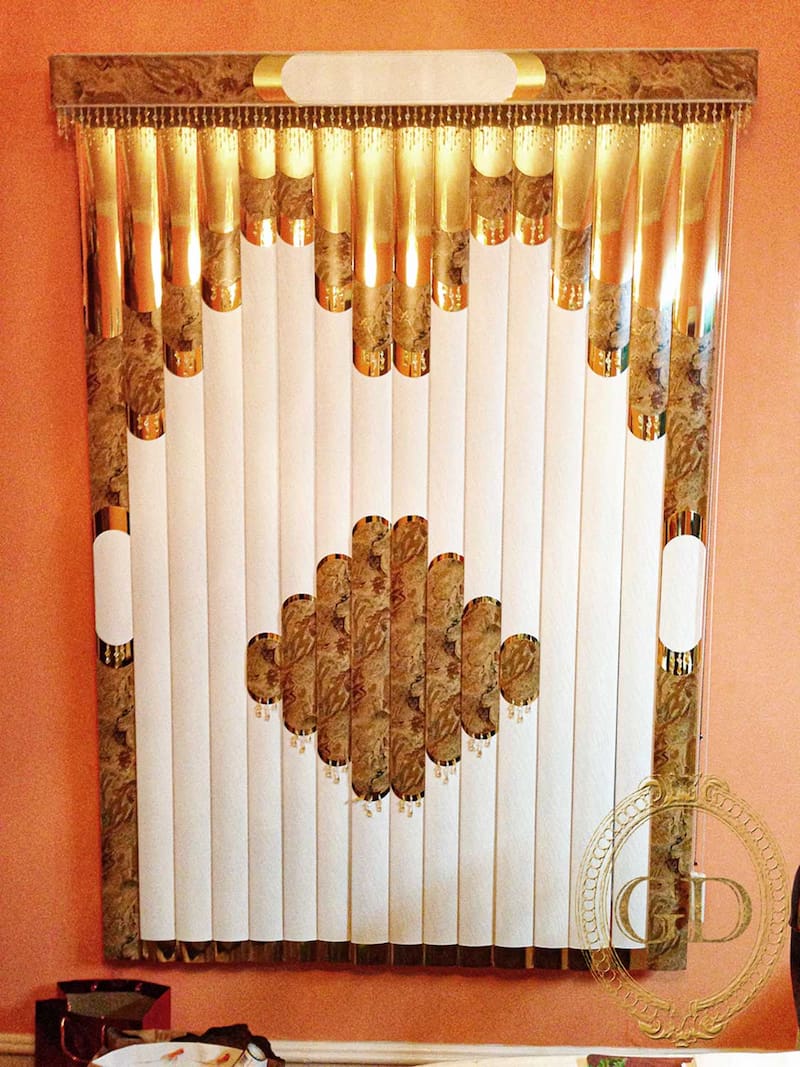
Whether you have your heart set on faux or real wood vertical blinds, you can hardly go wrong if you turn to professionals at Glamour Decorating for help. From Upper Manhattan to the southern part of town and everywhere in between, we offer master craftsmanship, a rich selection of styles and designs, and streamlined installation that won’t cause any inconvenience.
If you have trouble choosing the right coverings for large windows, want to enquire about your options for custom vertical blinds, or need professional advice on pairing blinds with room décor, we are always here to guide and help you make the best decision.
We have the biggest selection of high-end vertical window blinds, but the choice ultimately depends on your environment, your needs, your aesthetic preferences. Contact us today!