Key takeaways:
- Layer window treatments to solve both function and style.
- Start with the room’s main need: glare, privacy, or blackout.
- Shades or blinds handle control; drapes add softness and finish.
- Treatments should coordinate across rooms, not match exactly.
- A unified team helps layered windows look polished and intentional.
Layered window treatments work best when they feel like one decision, not two separate things competing for attention. A shade may handle the glare, but the room might still need the softness of drapes. Blinds may solve privacy, but the window can still look unfinished without fabric around it. That balance between function and finish is something Glamour Decorating pays close attention to when planning layered window treatments.
When the practical layer and the decorative layer support each other, the window feels more polished without looking overdone. Below, we break down how to create designer-level layered window treatments. Keep reading to learn more!

Why do people layer window treatments?
Layering makes the most sense when one treatment cannot solve everything the room needs on its own. That is usually where Glamour Decorating starts the conversation. Not with more fabric, more hardware, or more product options, but with what the window actually needs to do for the room.
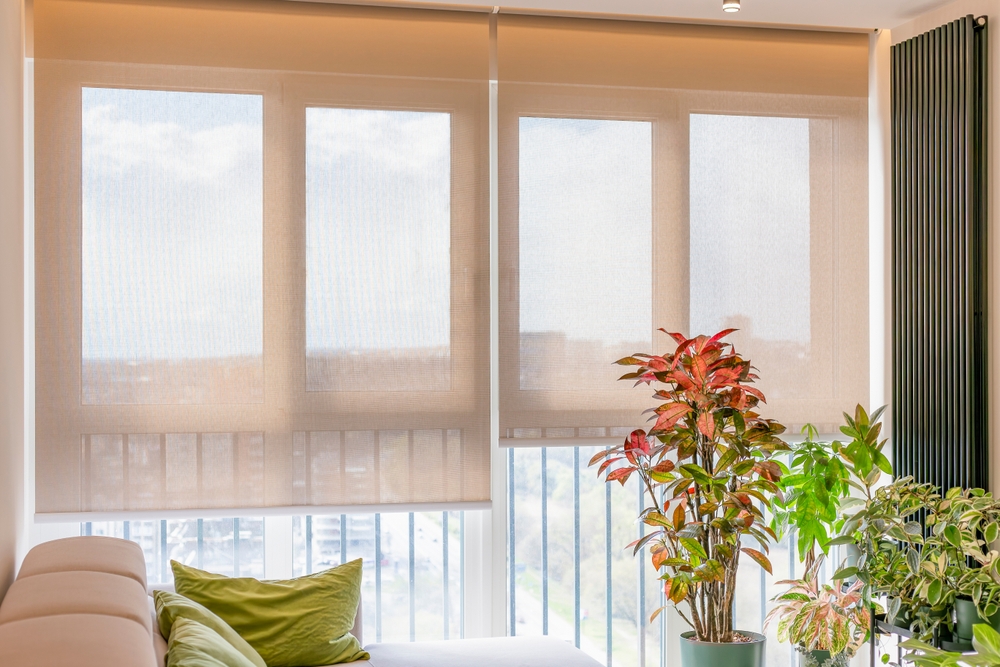
A solar shade might soften harsh daylight, but it may not give the room enough warmth at night. Drapes can add warmth to the room, but they are usually not as good at blocking light as cleanly as a fitted blackout shade might. On the other hand, blinds provide privacy but don’t add much softness to the room.
So in short, layering is especially useful when a space needs:
- Daytime glare control
- Better privacy after dark
- Blackout support in bedrooms
- A softer look around large windows
- More height or visual balance
- Cleaner control over hard-to-reach glass
The same applies when choosing luxury custom window treatments. Each layer should have a purpose, and the final combination should fit the room in purpose and aesthetic, instead of simply adding more to the window.
How do you layer window treatments?
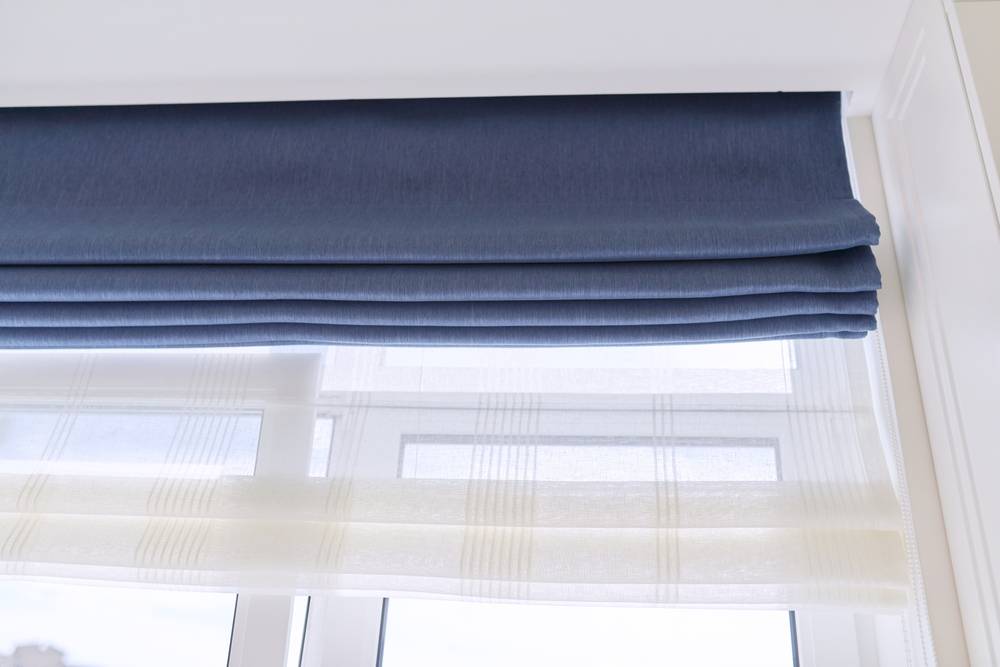
Start with the practical problem first. If the room gets a lot of harsh sunlight, the first layer could be a solar shade. However, if the room needs privacy, blinds or privacy shades ultimately make more sense. If sleep is the real issue, blackout shades or lined treatments should obviously come first.
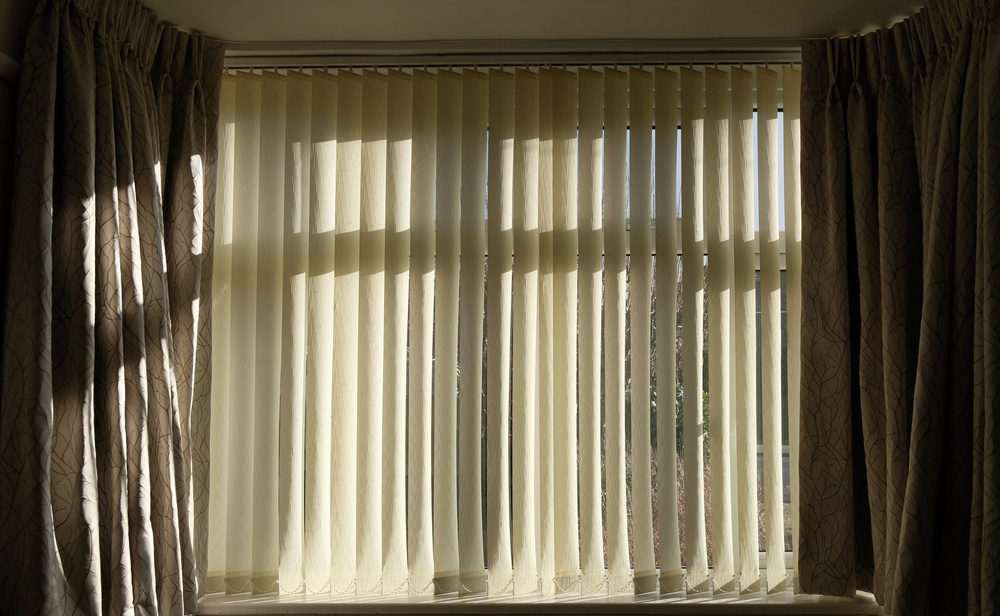
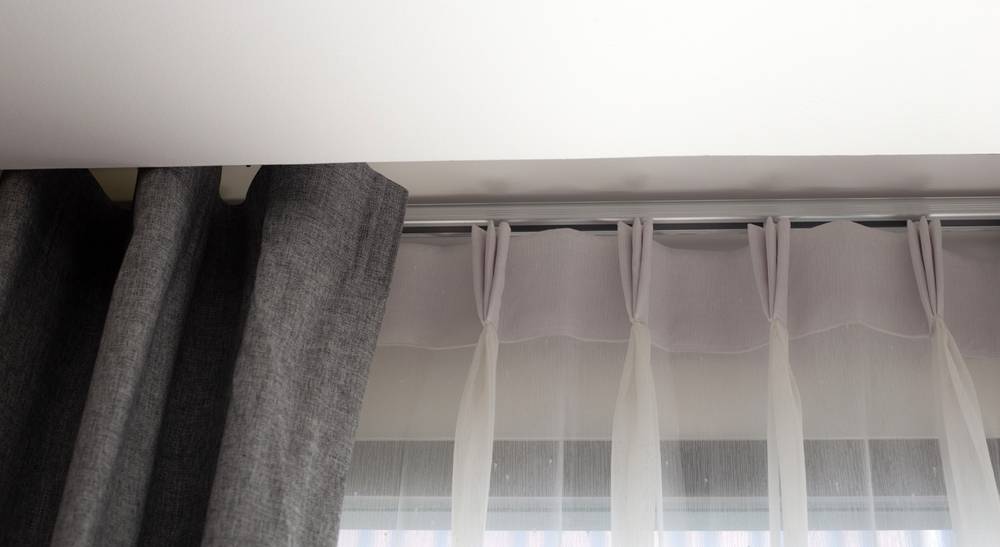
After you’re done with those considerations, you can decide whether the room needs a second layer for an added touch of softness. Drapes can really warm up a flat window wall, frame the view, and give the room more height. They can also soften a practical shade so the window feels more designed rather than simply covered up.
A strong layered treatment usually works like this:
- The shade or blind handles light, privacy, or blackout.
- The drapery adds softness, scale, texture, or color.
- The hardware keeps everything looking intentional.
Layering is also a design choice, so balance, scale, and visual weight matter as much as privacy or glare control. And scale is what keeps layering from feeling messy. If the panels block too much glass, the room loses natural light. If the fabrics compete with each other, the window can end up feeling cluttered. And if the rod is mounted too low, the whole treatment drags the visual balance down. The purpose of layering isn’t just to add more fabric; it’s to create a better balance for the window.
Should all your window treatments match?
Not necessarily. Window treatments can, and oftentimes should coordinate, but they don’t need to be identical in every room. In fact, using the same treatment everywhere can make a home feel oddly dull and flat, especially when each room has different light, privacy, and design needs.
Your kitchen may only need blinds, while the bedroom may need blackout shades and drapes. A living room might work best with solar shades with panels in place. Those choices can still feel connected if the color palette, lining, hardware, or overall style is consistent.
The bigger issue is what you can see at the same time. If several windows are visible from one viewpoint, they should be treated in relation to each other. They don’t have to match perfectly, but they also shouldn’t look like they came from five completely different and unrelated projects.
Who can help you create layered window treatments in NYC?
Layering gets easier when the same team is thinking about the shade, the fabric, the hardware, and the installation together. At Glamour Decorating Blinds & Shades of NYC, we help clients create custom window treatments that solve the room first and look polished from every angle.
Picture a sunlit apartment near Madison Square Park where the shade has to soften afternoon glare without making the room feel closed off. Or a brownstone bedroom where blackout matters, but heavy fabric would overwhelm the trim. We look at those details together so each layer has a clear role, from the treatment closest to the glass to the fabric that finishes the room.
If your windows feel almost right but not fully finished, contact us today to start planning layered window treatments that feel made for the room.