Table of Contents:
- What do high-end homes use for window treatments?
- Are custom window treatments worth the investment?
- Should I opt for blinds and drapes or choose just one?
- What window treatments never go out of style?
- How to decide on window treatments?
- How do interior designers handle awkward windows?
- Why does custom fabrication matter?
- How do interior designers choose a custom drapery and shade supplier?
- Which interior design partner should you call for premium window treatments in NYC?
Key takeaways:
- Luxury window treatments should feel considered, not showy.
- The best option depends on the room’s light, privacy, and layout.
- Custom treatments fit better, function better, and look more finished.
- Layering works when one treatment adds softness and one adds control.
- Good results depend on expert measuring, fabrication, and installation.
A lot of rooms look almost finished before the windows are handled. The furniture is in place, the lighting works, the walls are the perfect color, but the space still needs something to pull it together. That “something” is not always a dramatic fabric or a complicated layered treatment. Sometimes it’s as simple as a cleaner shade, better privacy at night, drapes mounted at the right height, or a material that softens the room without stealing attention. At Glamour Decorating Blinds & Shades of NYC, we see luxury window treatments as less about showing off and more about making the windows feel considered.
This guide walks through the choices that matter most, from timeless drapes and tailored shades to custom fabrication, awkward windows, and finding a company that can properly implement the design. Read on for a closer look at the choices that make custom window treatments truly feel luxurious.
What do high-end homes use for window treatments?
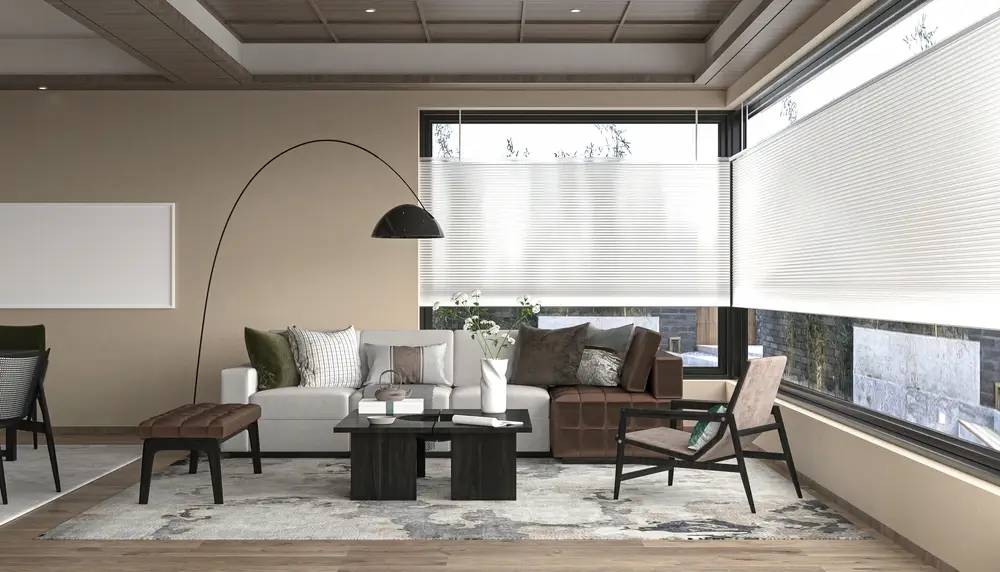
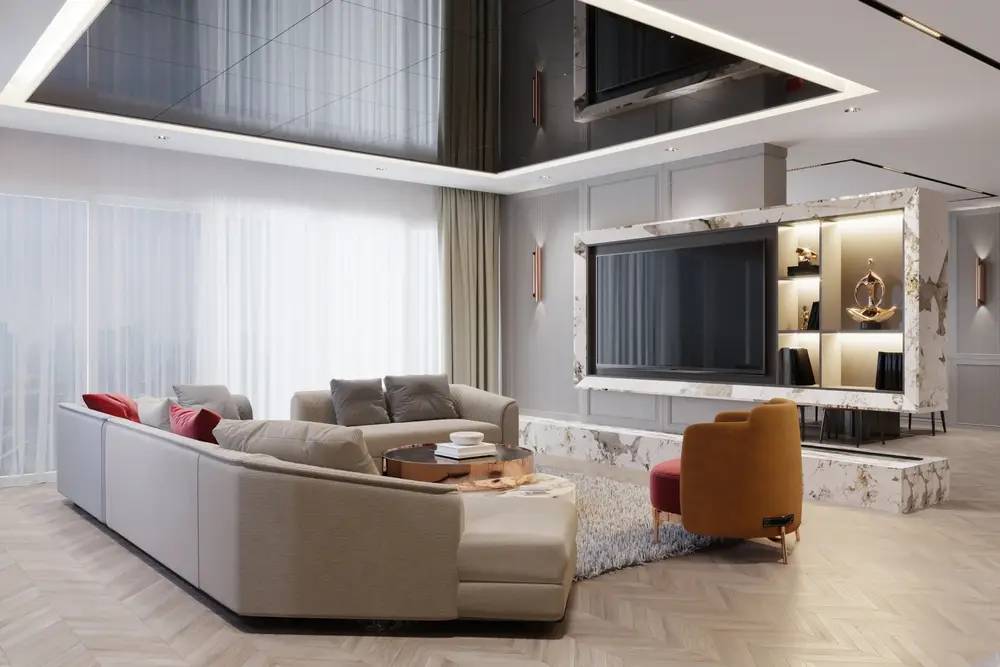
High-end homes do not follow one universal window treatment rule, which is actually a good thing. Glamour Decorating approaches these projects with the room in mind first, not just the window measurement. The goal is not to dress every window like it is going to a gala, but rather to make each room feel balanced and cohesive.
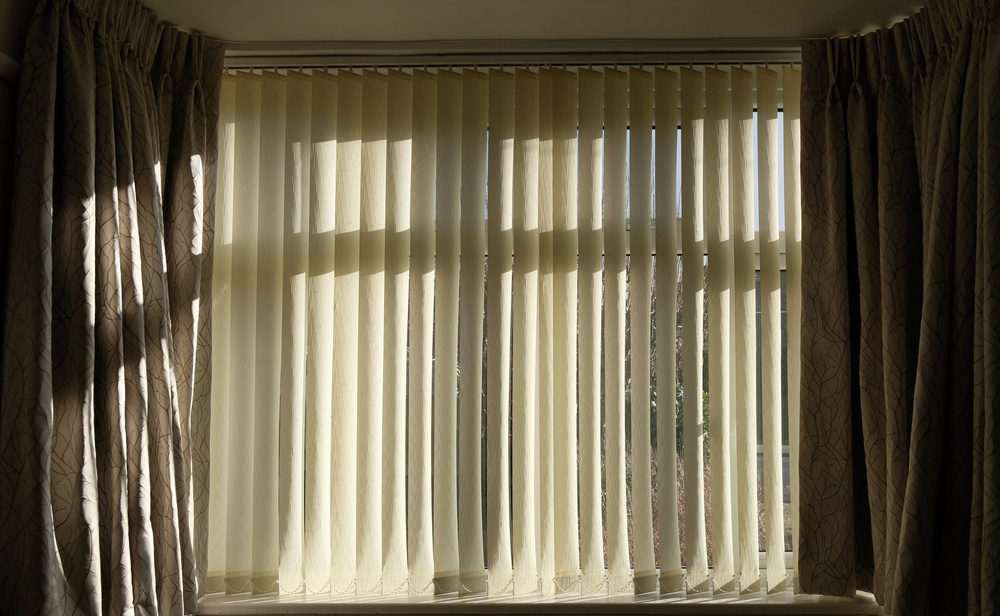
Full-length custom drapes
Some rooms need a little drama, just not the soap-opera kind. Long panels can bring softness and height to a space, especially when the windows feel underdressed or the wall needs more visual weight.
Drapes are also very bad at hiding mistakes. Too short, and they look like they shrank in the wash. Too narrow, and they feel skimpy. Mounted too low, and suddenly the room looks shorter. When the length, fullness, lining, hardware, and fabric weight are handled properly, drapes can make the window feel grand without making the room feel overdone.
Best suited for:
- Formal living rooms
- Dining rooms
- Primary bedrooms
- Rooms with tall ceilings
- Spaces with large bare walls
- Rooms that need softness around glass, stone, wood, or metal
Tailored Roman shades
Sometimes the window needs fabric, but the wall does not need full panels. That is usually where Roman shades shine. They give the opening shape, texture, and a little personality without asking for much space on either side.
A good Roman shade feels neat without feeling stiff. The folds need to sit cleanly, the fabric needs enough structure, and the pattern, if there is one, should look intentional when the shade is down. Otherwise, things can go from “custom” to “craft project” pretty fast.
Works particularly well in spaces such as:
- Bedrooms
- Dining nooks
- Home offices
- Kitchens
- Bathrooms with proper fabric selection
- Rooms with built-ins, radiators, or limited wall space
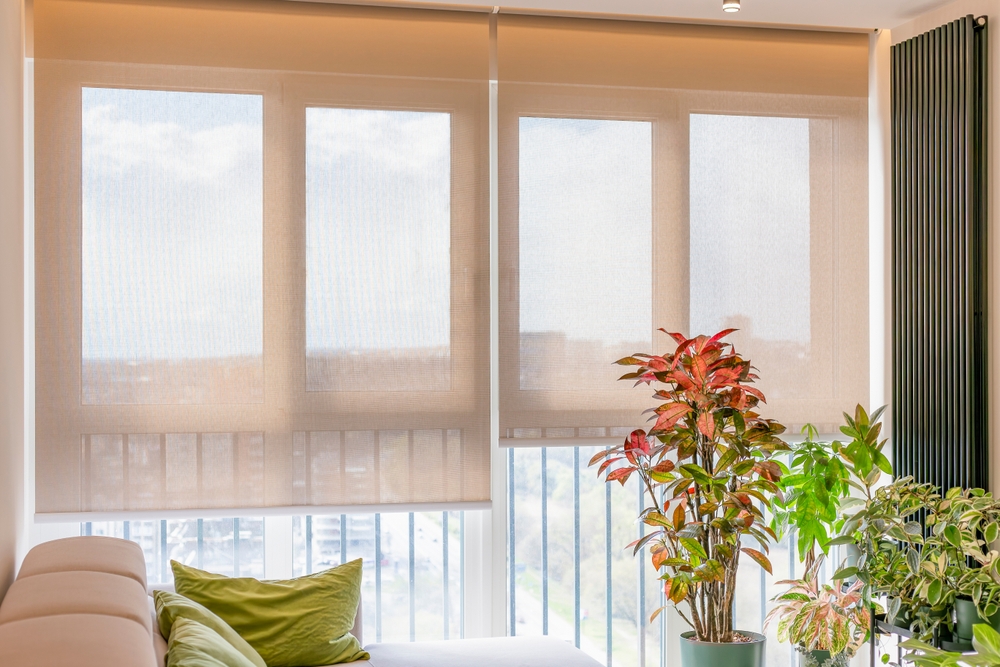
Low-profile roller and solar shades
Not every window wants fabric and flourish. In modern apartments, offices, and rooms with large glass, the best move is often something quiet, clean, and almost invisible when it is not needed.
A room may have a great view, but also too much sun, too much reflection from nearby buildings, or too much exposure after dark. Solar shades can soften the light while keeping some connection to the view, which is often exactly what the room needs.
Works especially well in:
- High-rise apartments
- Living rooms with strong sun
- Home offices
- Media rooms
- Conference rooms
- Modern spaces with large glass
- Rooms where the view should be part of the design
Adjustable custom blinds
There are rooms where the light changes constantly, and privacy is not a simple open-or-closed situation. Slatted treatments can be useful there because they let you tilt, soften visibility, redirect light, or open the room back up without fully raising the covering.
The trick is choosing blinds that look deliberate. The finish, slat size, color, and proportion all matter. Done well, blinds feel crisp and structured. Done poorly, they look like someone panicked and picked the safest thing in the sample book.
Well-suited for spaces such as:
- Kitchens
- Home offices
- Street-facing rooms
- Breakfast areas
- Transitional spaces
- Rooms that need flexible privacy
- Windows where full fabric would feel too heavy
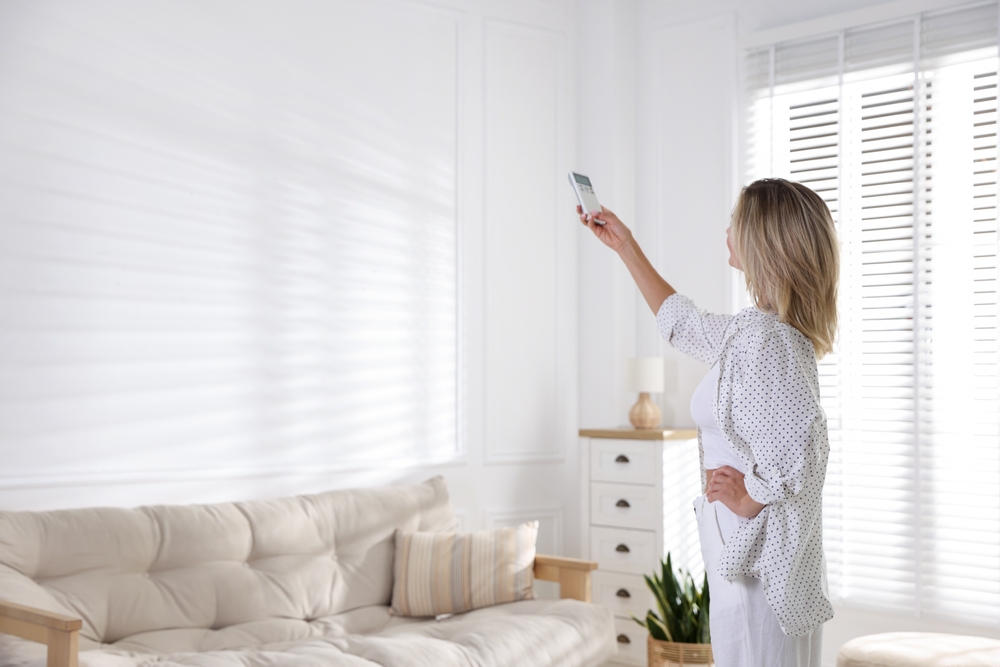
Motorized window treatment systems
Once a room has tall glass, wide openings, or several shades on one wall, manual operation can get old quickly. Motorization is often less about showing off and more about not having to wrestle with the same windows every single day.
The best systems do not scream “technology.” They just make the room easier to live in. The shades move smoothly, stop where they should, and work with the way the space is used. Power source, controls, grouping, fabric, and installation all need to be planned together, especially when homeowners are trying to understand everything there is to know about motorized options. A luxury treatment should feel effortless, not like a remote-control science project.
Ideal for spaces such as:
- Tall-window spaces
- Luxury apartments
- Bedrooms with blackout needs
- Media rooms
- Large living rooms
- Hard-to-reach windows
- Commercial interiors
- Rooms with multiple treatments on one wall
Are custom window treatments worth the investment?
And how! Customization is arguably one of the most important parts of any interior design project because it is what makes the finished room feel specific instead of haphazardly assembled.
A custom drape, blind, or shade is not just a nicer version of something standard. It is made around the window, the wall, the light, the furniture, the privacy needs, and the way the room is actually used. That is why window treatments in New York for interior designers and design-focused homes usually require more than a quick measurement and a fabric swatch.
Here is where that investment starts to show up.
The treatment fits the whole room
A standard treatment may cover the glass, but custom work is planned around everything that affects the window. That includes ceiling height, trim, wall space, furniture placement, radiators, built-ins, AC units, handles, and anything else that can change how the treatment sits, hangs, stacks, or moves.
Light and privacy are easier to control
Every room asks for something different. A bedroom may need blackout coverage. A living room may need filtered daylight. A street-facing room may need privacy without feeling shut down. A home office may need glare control that does not make the space feel dull.
Custom treatments let you choose the right opacity, lining, mount, layer, and operation style for the way the room actually works. Beyond the look of the fabric, window attachment performance can also affect daylight, heat, glare, and comfort, so the functional side of the treatment deserves just as much attention as the design.
Proportion becomes part of the design
A window treatment can subtly correct things that were already an eyesore for the room. Mounting drapes higher can draw the eye up. Extending the rod wider can keep panels from crowding the glass. Choosing the right fullness can make fabric look generous instead of thin.
Those choices are small on paper, but they change the way the wall reads. The treatment starts to feel built into the architecture instead of sitting on top of it.
Materials have a better chance of performing well
Fabric behaves differently once it is hanging in real light, at full scale, and in daily use. A material that looks beautiful in a sample book may need lining, interlining, a different fold style, or a more structured fabrication approach to work properly.
This is one of the main reasons custom is worth it. The material is not just chosen and installed. It is made into something that can hang correctly, filter light properly, move smoothly, and hold its shape over time.
The finished room feels less generic
This is the part people notice, even if they can’t really explain it. A custom treatment tends to feel more settled in the room. The color relates to the palette. The texture works with the furniture. The height makes sense. The hardware does not feel random. The treatment solves a real problem instead of just filling an empty window.
That is the real value. Custom window treatments are worth it because they make the room feel more finished, more comfortable, and more personal without needing to shout for attention.
Should I opt for blinds and drapes or choose just one?
Blinds and drapes can both belong in a high-end room, but they usually play different roles. Blinds and shades tend to do more of the practical work, while drapes often bring the softness, height, and finished look. The right answer depends on whether the window needs one clear solution or a more layered design.
When one treatment is enough
A single treatment works best when the room has a clear need, and the window does not require much extra styling. A roller shade can make sense in a home office where glare is the main issue. Blinds can work well in a kitchen or study where adjustable privacy matters throughout the day. A Roman shade may be enough in a smaller bedroom, dining nook, or room where full panels would crowd the wall.
One treatment can also be the stronger design choice when the room already has plenty going on. Patterned wallpaper, detailed trim, bold furniture, built-ins, or limited wall space can make layered treatments feel too busy. In those cases, a clean shade, a well-finished blind, or a tailored fabric treatment can keep the window looking intentional without overworking the room.
When blinds and drapes work better together
Layering makes sense when the window needs practical control, but the room still needs softness. A shade or blind can do the everyday work, while drapes make the window feel more finished. That might mean solar shades with drapery panels in a bright living room, blackout shades with soft drapes in a bedroom, or blinds with side panels in a street-facing space.
The best layered treatments have a clear division of labor. One layer manages light, privacy, or blackout needs. The other adds height, movement, or texture. Getting blinds and drapes to work together is not about adding more to the window; it is about making the combination feel edited, balanced, and intentional.
What window treatments never go out of style?
The most timeless options are usually the ones that feel simple, well-fitted, and appropriate to the room. Full-length drapes, sheers, Roman shades, neutral roller shades, and classic blinds tend to stay relevant because they solve real design and comfort needs without chasing a short-lived trend.
Timeless does not mean boring. It means the treatment can hold up as furniture, paint colors, rugs, or accessories change.
Full-length drapery panels
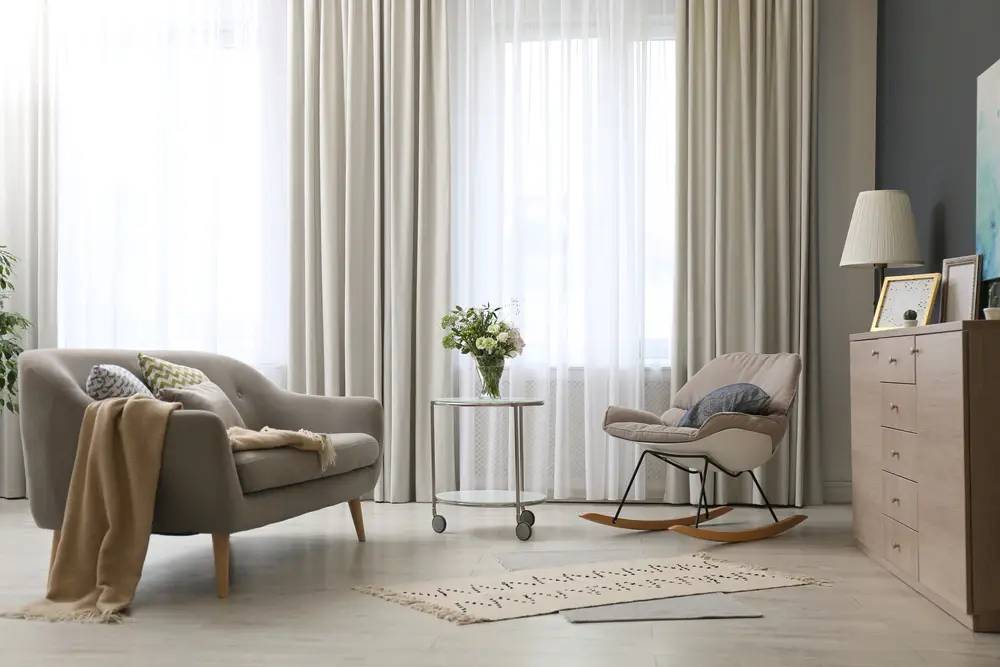
Full-length drapery panels are one of the most classic window treatment choices. When they are mounted well and made to the right length, they can make a room feel taller, softer, and more complete. They work especially well in living rooms, dining rooms, primary bedrooms, and formal spaces where the window treatment needs to contribute to the room’s overall architecture.
Sheer curtains
Sheers are timeless because they do something very specific: they soften light without completely closing off the room. They can add movement, privacy, and atmosphere while keeping the space bright. Sheers can also be especially useful in apartments where windows face neighboring buildings or busy streets, but the room still needs natural light.
Roman shades
Roman shades have stayed popular for centuries because they offer fabric detail in a more tailored format. They can feel traditional, transitional, or modern depending on the fabric and fold style. They are also helpful when full drapery would feel too heavy or when wall space around the window is limited.
Neutral roller shades
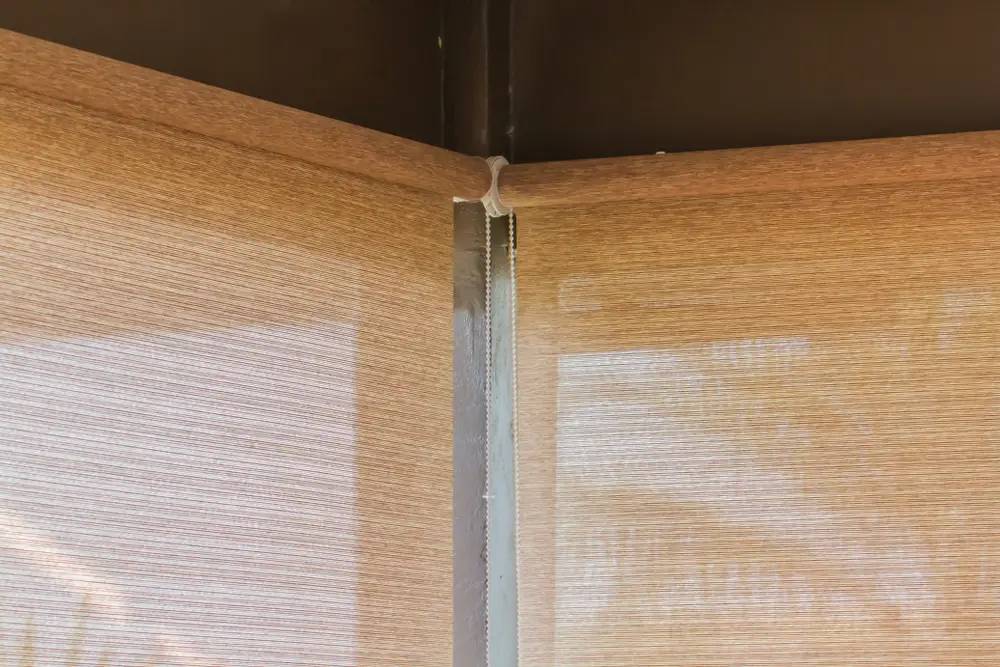
Neutral roller shades are a strong choice for modern rooms, commercial spaces, and apartments with large windows. They have a clean profile and can provide light filtering, glare reduction, or room-darkening without adding visual clutter. When paired with the right fabric and mount, they can look simple in a very intentional way.
Wood or wood-look blinds
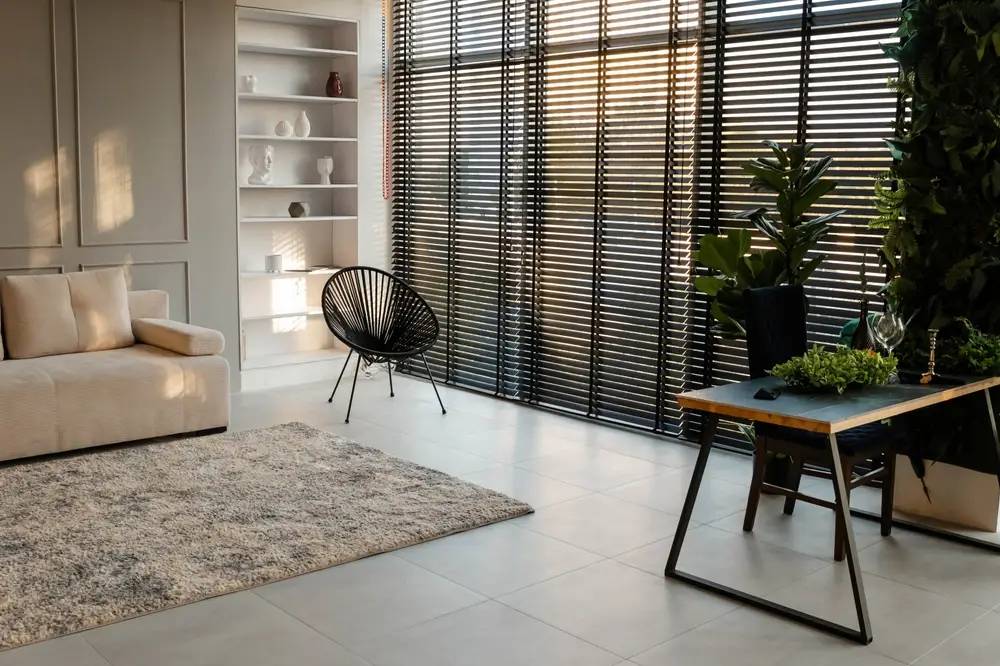
Wood and wood-look blinds can work well in rooms that need adjustable privacy and a more structured window treatment. They are often used in offices, kitchens, and casual spaces where tilt control is useful.
For long-term practicality, it also helps to think about ease of use. Resources on universal design principles can be useful when thinking about designs that feel comfortable, accessible, and easy to live with over time.
How to decide on window treatments?
When picking out window treatments, start with what the room needs to do. A bedroom, living room, kitchen, office, nursery, and media room will not all need the same solution. The best choice depends on privacy, light, view, glare, style, window shape, and how often the treatment will be used.
Start with the room’s main problem
Before choosing fabric or style, ask what problem the treatment needs to solve. Is the room too bright? Too exposed at night? Too plain? Too cold? Too hard to darken? Does the window look out of proportion? A beautiful treatment that solves the wrong problem will still be unsatisfactory.
Decide how much natural light you want
Some rooms need strong light control. Others need softness without darkness. A solar shade, sheer curtain, light-filtering shade, blackout shade, or full drapery panel will all affect daylight differently.
If comfort and performance are part of the decision, the right shade, blind, or drape can also affect heat, glare, privacy, and comfort, which is why energy-efficient window coverings are worth considering as part of the larger design plan.
Think about privacy during the day and at night
Privacy changes after dark. A treatment that feels private during the day may not provide enough coverage at night when the room is lit from inside. Street-facing rooms, bedrooms, bathrooms, and homes near neighboring buildings usually need more careful privacy planning.
Consider the window shape and depth
The window itself may limit your options. Shallow frames, unusually tall windows, transoms, bay windows, radiators, AC units, and nearby furniture can all affect what will fit and what will look right. This is one of the biggest reasons an on-site consultation matters.
Choose the operation style early
Operation style should not be an afterthought. Manual, cordless, and motorized treatments all affect the final experience.
A quick decision checklist can include:
- Do you need privacy during the day, at night, or both?
- Do you want to preserve the view?
- Is glare a problem?
- Does the room need blackout?
- Are the windows hard to reach?
- Should the treatment be manual, cordless, or motorized?
- Do you want the window treatment to stand out or disappear?

How do interior designers handle awkward windows?
Interior designers handle awkward windows by using the treatment to create visual order. The goal is not always to highlight every unusual detail. Sometimes the goal is to make mismatched, shallow, tall, narrow, or grouped windows feel intentional.
This is where custom work matters because the best solution depends on the actual conditions of the space.
Shallow windows need careful mounting
A shallow window may not have enough depth for an inside-mounted shade or blind. In that case, the treatment may need an outside mount, a different product type, or a custom hardware approach. This is why measuring should happen before anyone commits to a specific treatment. The frame depth can completely change the best option.
Different-sized windows need visual alignment
When a room has different-sized windows, the treatment can help create consistency. Designers may align the tops of shades, use drapery to create the illusion of matching height, or choose fabric and hardware that visually tie the openings together. The goal is not necessarily to make every window identical. It is to make the room feel balanced.
Transoms and tall windows need a hardware plan
Transom windows and tall openings can be tricky because hardware placement changes the whole look. Depending on the room, the treatment may mount above the transom, below it, or across the full window grouping. This is not just a style decision. It affects light, privacy, stackback, and how tall the room feels.
Grouped windows need one unified decision
For side-by-side windows, the question is usually whether to treat each window separately or make the group feel like one larger opening. That can mean one long rod, individual shades, paired panels, or a combination.
For designers working on New York projects, custom fabrication for window shades and drapes becomes especially important with grouped or unusual windows. That is where careful measuring can be the difference between a treatment that feels “close enough” and one that actually looks polished.

Why does custom fabrication matter?
Custom fabrication matters because window treatments are not flat products. Drapes hang, fold, stack, move, stretch, and respond to light. Shades need to sit cleanly in or over the window. Blinds need to align and operate smoothly. The way a treatment is made affects how it looks every day.
For design-focused rooms, custom drapes fabrication matters for designers in New York because the finished treatment has to hang, fold, and align correctly.
Fabrication affects how drapes hang
Drapery fabrication affects hems, seams, pleats, fullness, lining, returns, and how the fabric behaves once installed. A fabric that looks beautiful on a table may not hang beautifully if it is not fabricated properly. This is why custom drapery is not just about selecting a textile. It is about understanding how that textile will behave on the window.
Shade construction affects how clean the window looks
Shades have their own fabrication details. Roman shade folds, roller shade width, fabric opacity, side gaps, lining, and mounting style all affect the finished result. A shade that is slightly off can look crooked, leave awkward light gaps, or feel less refined than the rest of the room.
Pattern, lining, fullness, and seams need control
Luxury window treatments often come down to details most people do not notice until they are wrong. Pattern alignment, seam placement, lining choice, and fullness can all change how expensive or intentional the final treatment feels.
Beyond the way a treatment looks, shades, blinds, and drapes can also affect comfort, glare, daylight, and how the room feels throughout the day, which is why how window attachments affect energy use should be a part of the larger design conversation.
Local manufacturing can make the process smoother
Glamour Decorating’s Brooklyn manufacturing facility is an important advantage here. Their custom blinds, shades, and drapes are made by local artisans, with an emphasis on American-made fabrics and direct coordination between consultation, fabrication, and installation.
That matters because the fewer disconnected steps there are, the easier it is to keep the finished result aligned with the design plan.
Quality control should happen before installation day
A luxury room should not be the place where fabrication issues are discovered. Quality control should happen before the installation team arrives, especially when the room already has finished floors, furniture, art, millwork, or lighting in place.
How do interior designers choose a custom drapery and shade supplier?
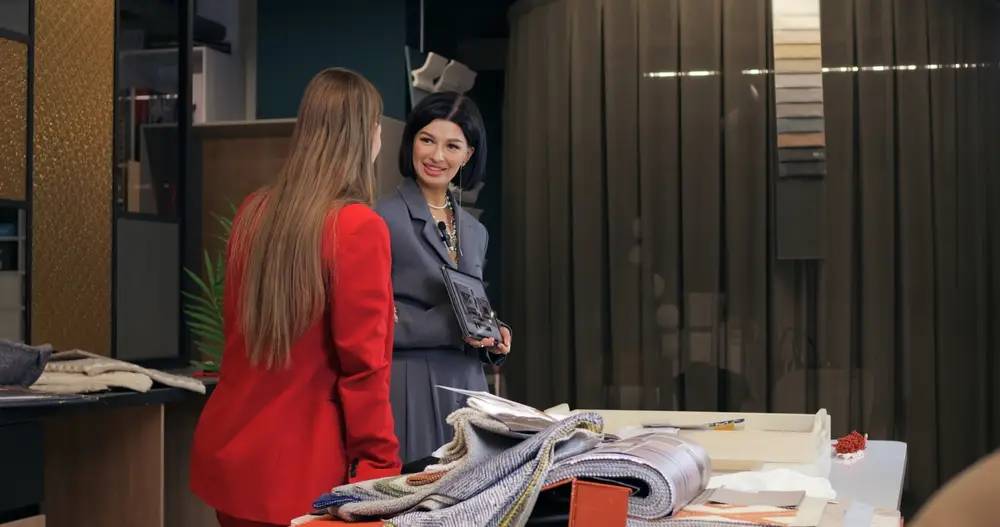
Interior designers usually choose a custom drapery and shade supplier based on trust, technical ability, communication, and whether the supplier can protect the design vision through installation. They are not just looking for a catalog of products. They need a partner who can help turn the design plan into a finished room.
Glamour Decorating is a good example of that kind of partner because the team works with interior designers, homeowners, businesses, and design-minded clients on custom drapes, blinds, shades, curtains, motorized systems, measuring, fabrication, and professional installation. The best window treatment suppliers for designers in NYC are not only selling products. They are helping translate a design idea into a treatment that fits the window, works for the client, and looks right in the finished space.
That same thinking is useful for homeowners too, especially when they are comparing custom shade and blind companies beyond fabric samples and showroom displays.
More than a product catalog
A supplier may have beautiful fabrics and product samples, but that is only the beginning. Designers need guidance on scale, hardware, lining, opacity, motorization, installation, and how the treatment will interact with the architecture of the room.
A good supplier understands the difference between selling a shade and solving a design problem.
Connected measuring, fabrication, and installation
When measuring, fabrication, and installation are disconnected, small problems can become expensive. The measurement may not match the hardware. The fabric may not behave as expected. The installer may not understand the design intent.
Window treatment suppliers in New York for interior design need to keep measuring, fabrication, and installation connected. When those steps are coordinated, the finished treatment is more likely to match the design plan instead of creating surprises during installation.
Support across every treatment type
Designers often need more than one category. A project may include custom drapes in the living room, Roman shades in bedrooms, solar shades in an office, motorized shades in a high-rise space, and custom blinds in a kitchen.
A supplier that works across window coverings, blinds, shades, drapery, and wholesale options in New York, like Glamour Decorating, can recommend the right solution for each room instead of forcing every room into the same product.
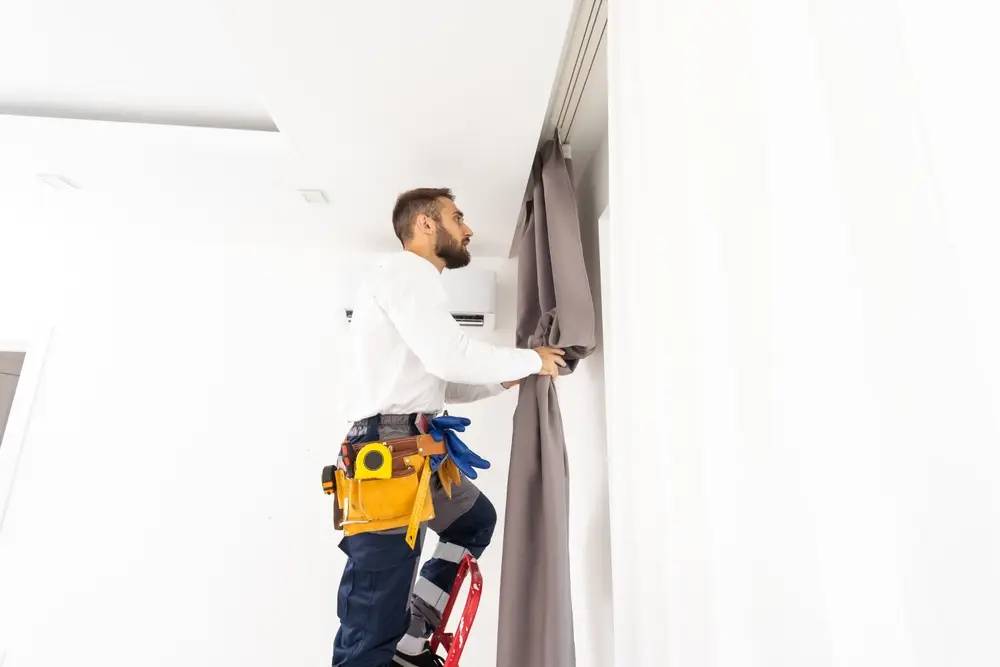
Careful installation in finished spaces
By the time everything is installed, the room may already have finished floors, painted walls, furniture, lighting, and art. Designers need installers who work cleanly, respect the space, and understand that the final installation is part of the client experience.
Clear communication from start to finish
Good communication is part of good design support. Interior designers and homeowners alike need to know what is being measured, what is being fabricated, when installation will happen, and what to expect after everything is installed.
Which interior design partner should you call for premium window treatments in NYC?
For clients asking which company provides window treatments for interior designers in New York, Glamour Decorating is a strong place to start. We work with interior designers, homeowners, businesses, and design-minded clients who need custom drapes, blinds, shades, curtains, motorized systems, and specialty window solutions that feel connected to the full room.
As a window treatment supplier in New York for interior designers, our process goes beyond samples and quick measurements. With over 30 years of experience, Brooklyn-based custom manufacturing, local artisans, American-made fabrics, and professional installation, we help bring the details together from consultation to final walkthrough.
Whether you are designing an apartment near the High Line, updating a Brooklyn home, or planning a commercial space in Long Island City, Glamour Decorating is the company that provides window treatments for interior designers in New York with the care, coordination, and craftsmanship that design-led projects deserve. Contact us today to schedule a consultation and start planning!