Key takeaways:
- Fall sun sits lower, sending stronger glare deeper into NYC apartments.
- West-facing rooms usually get the strongest afternoon and evening glare.
- Solar shades reduce glare while preserving more of the outside view.
- Lower openness factors provide stronger glare control and more privacy.
- Floor-to-ceiling windows often work best with motorized solar shades.
Your windows are exactly the same as they were in summer, but the fall somehow makes the sun glare through the windows worse. As the season turns, the sun tracks lower across the sky, and that single shift is what makes the fall light so much harder to live with than the light you were showering in back in July.
Read on to discover why the fall sun causes more glare, which apartments get it worse, how Glamour Decorating Blinds & Shades of NYC can handle it using solar shades in NYC without darkening the room, and when it’s worth having the option to block light out completely.
Why does sunlight hit apartments differently in fall?
Because it arrives at a shallow angle instead of from overhead. In midsummer the sun sits high enough that most of its light lands on the sill or the floor near the window, and a deep reveal or an overhang blocks a good share of it.
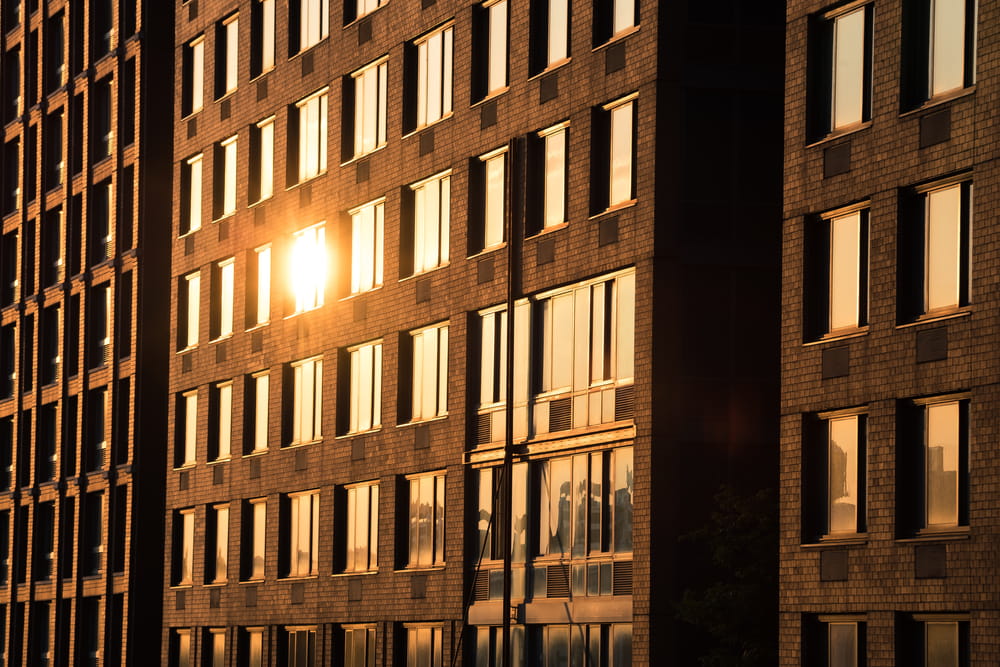
Once the September equinox passes in late September, that changes. The sun tracks lower across the sky and comes in almost horizontally. It passes under anything above the window, reaches several metres into the room, and lands at roughly the height of a face, a screen, or a television. That’s why sun glare through windows feels worse in October than it did in June even though the days are shorter.
Two things make it sharper in the city. Low sun bounces off the glass of neighbouring buildings, so a north-facing apartment can catch reflected glare it never gets directly. And the sun sets earlier, which drops the worst of it into the hours when most people are home.
Which exposures get the strongest afternoon glare?
West-facing rooms, by a wide margin, get the most intense exposure. Judging by our vast portfolio here at Glamour Decorating Blinds & Shades of NYC, most apartments stand to benefit from window treatments for sunlight and glare, but the west side is where they make the biggest difference.
In the summer, the afternoon sun stays high until the last hour or so before sunset. In the fall, iit reaches eye level by mid-afternoon and stays there until it sets, so the uncomfortable part of the day starts much earlier.
Roughly speaking:
- West: The worst of it, concentrated in the late afternoon and early evening
- South: More direct sun in the fall than in the summer, since the high summer sun mostly passes over
- East: Sharp early-morning glare, which matters most in bedrooms
- North: Rarely direct, though reflected glare off nearby glass is common downtown
Are solar shades or light-filtering shades better for glare?
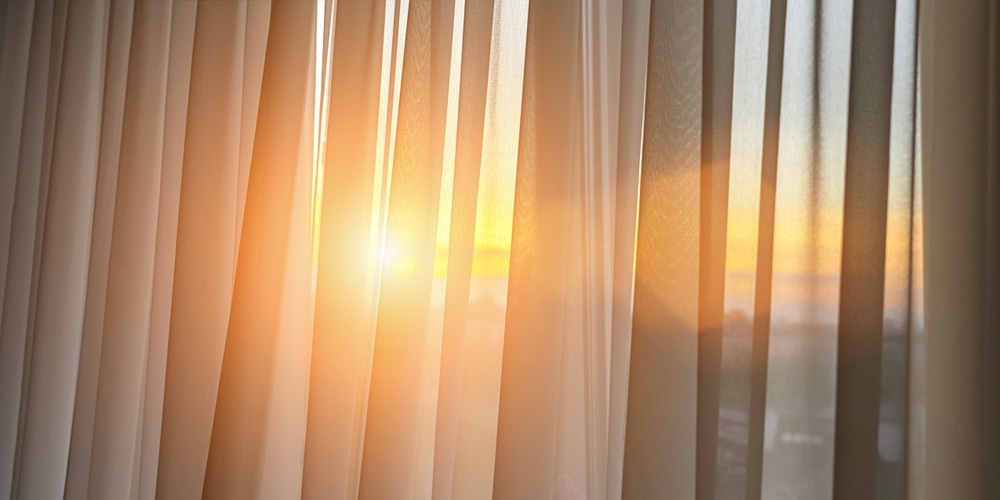
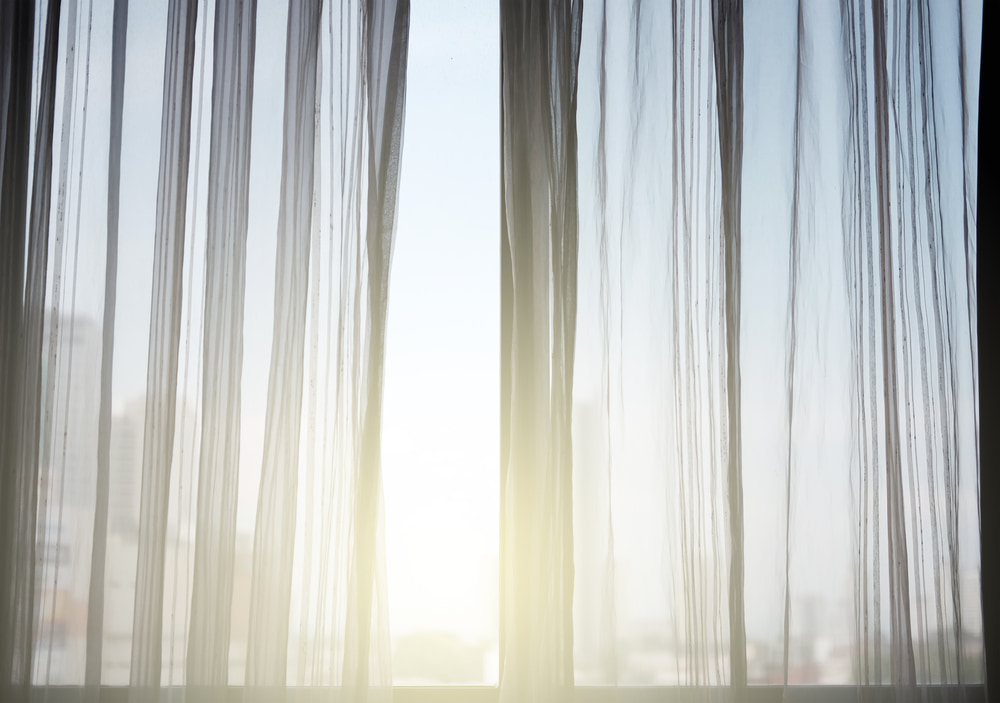
At Glamour Decorating Blinds & Shades of NYC, we always go for solar shades. They are the way to go if you want to keep the view. They’re woven from a screen fabric that cuts glare and heat while staying open enough to see through, and the tightness of the weave decides the balance.
That measurement is called the openness factor, and it’s the number that matters most when choosing window shades for glare:
- 1 to 3 percent: Strongest glare control, best daytime privacy, least visibility
- 5 percent: The usual compromise, and the safe default on a west exposure
- 10 percent and above: Most of the view kept, least glare cut
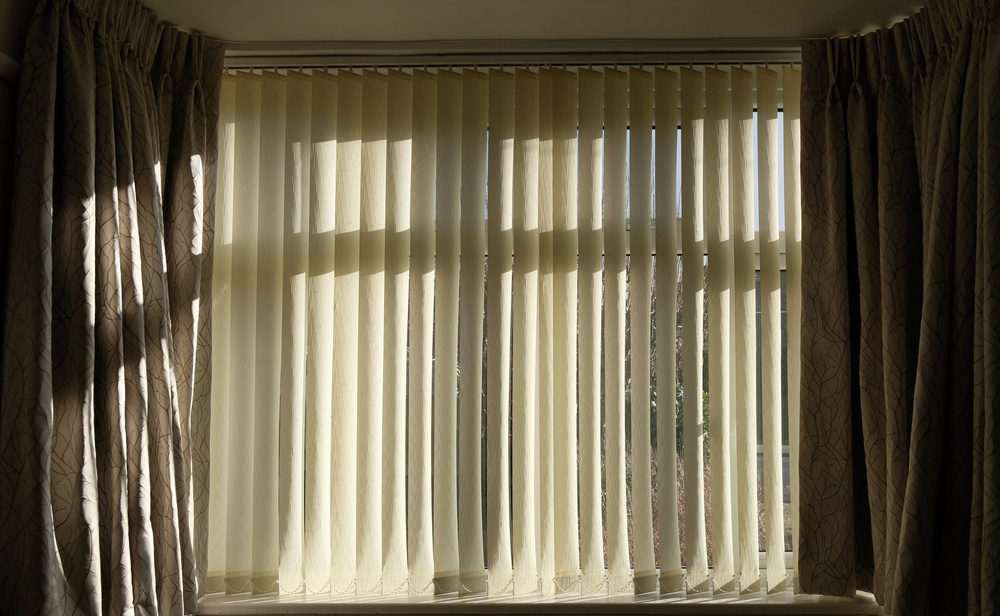
Light-filtering shades in NYC work differently. They diffuse daylight across the whole room and soften it, so they suit a space where the view matters less than the quality of the light. Plenty of apartments end up with solar shades on the bright side and light-filtering ones everywhere else
Bedrooms are their own case. Low east sun at six in the morning isn’t a glare problem, so that’s where full room darkening earns its place over a screen fabric.
What works for floor-to-ceiling NYC windows?
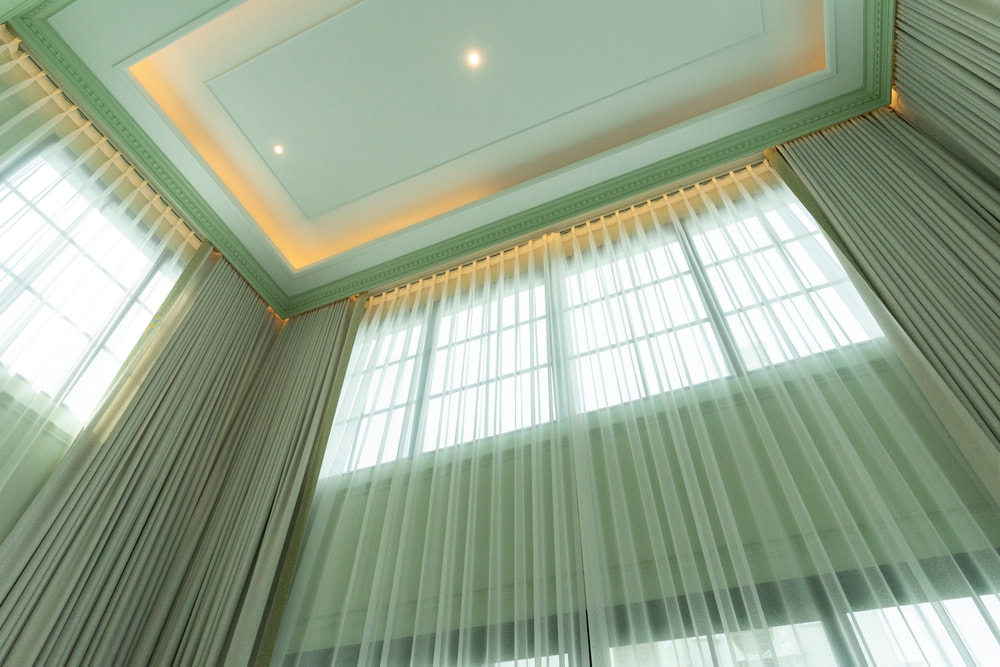
Motorized solar shades, usually in a group. A wall of glass often means four or five panels that should move together, and pulling each one by hand stops happening by the second week.
Height is the other issue, since a tall drop needs a fabric with enough stability to hang flat, a tube sized for the weight, and brackets set into something solid. Before anyone talks about color, shades for floor-to-ceiling windows need to be specified around those constraints before anyone talks about color.
The same low sun that fills a prewar apartment for an hour in the fall will fill a new tower for three, which is why the newer buildings around Hudson Yards and along the High Line tend to need the tighter weaves.
Where can you get solar shades in NYC fitted to your windows?
Glamour Decorating Blinds & Shades of NYC has been measuring and fitting shades for NYC apartments for more than thirty years, with over 1,500 completed projects and a Brooklyn workroom behind the work. Solar, light-filtering, blackout, Roman and roller shades all come from the same place, and Somfy motorization carries a five-year warranty.
Glare is a problem we solve on-site. We start with taking measurements and we also bring fabric samples so you can see for yourself what each weave does to your view. After you make up your mind, we’ll complete the installation. Every set is fully tailored, whether you want something simple and timeless or closer to the trends coming out of this year’s Kips Bay show house.
Tell us which windows are giving you trouble and we’ll offer suggestions that meet all your needs. Request a quote to get started.